Musk loses lawsuit against OpenAI
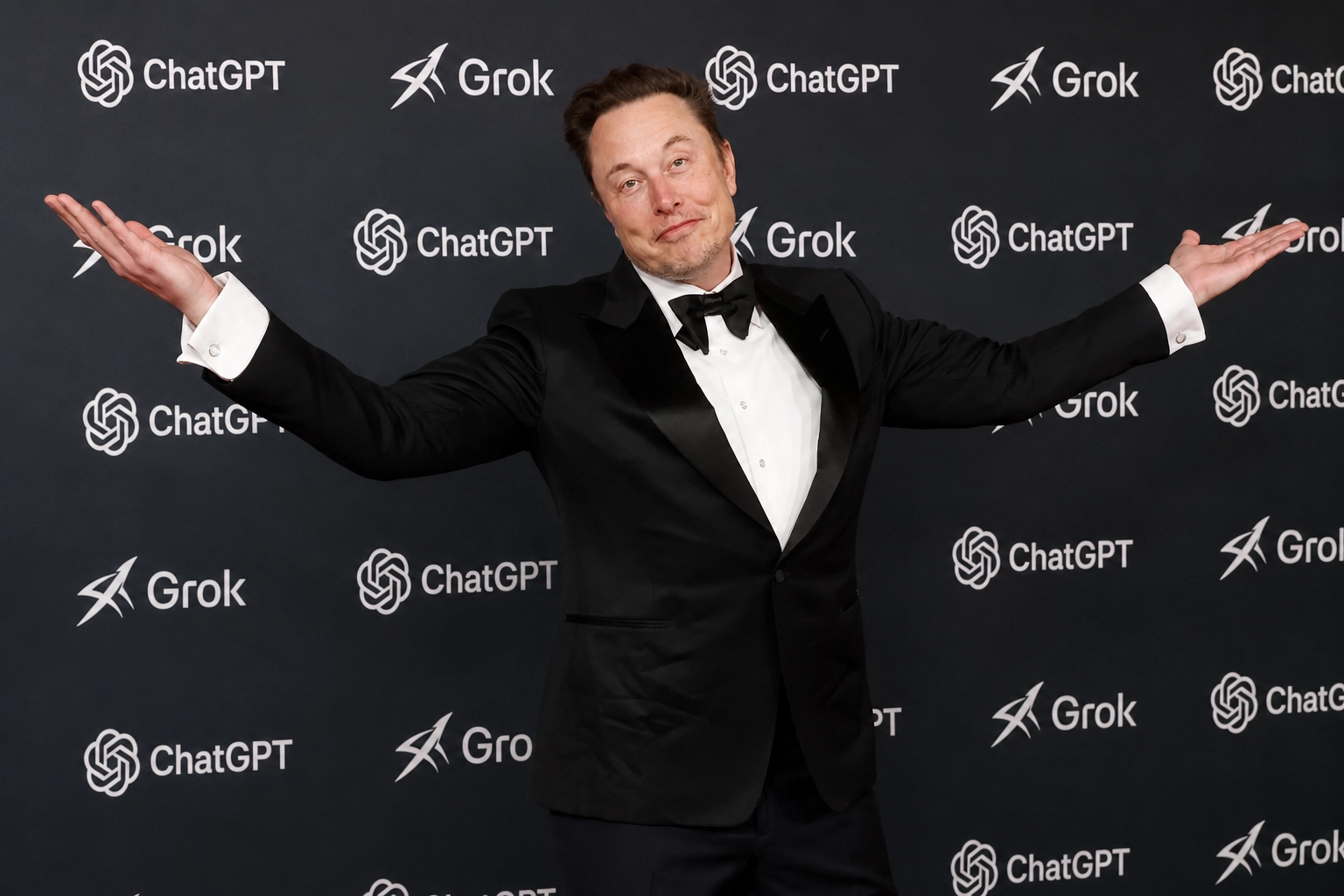
Elon Musk has lost a major lawsuit against OpenAI. A federal jury in Oakland, California, ruled unanimously on May 18, 2026, that Musk had filed his claims too late. Judge Yvonne Gonzalez Rogers adopted the ruling and dismissed the remaining claims.
Musk accused OpenAI, Sam Altman, and Greg Brockman of causing OpenAI to deviate from its original nonprofit mission: developing safe artificial intelligence for the benefit of humanity. According to Musk, OpenAI had transformed too much into a commercial organization, partly due to the partnership with Microsoft.
The jury did not reach a substantive verdict on the question of whether OpenAI had truly abandoned that mission. The core of the ruling was legal: according to the jury, Musk had waited too long to file the lawsuit. This means that the case failed due to the statute of limitations, not due to a definitive ruling on OpenAI’s mission or business model.
During the trial, OpenAI argued that the transition to a commercial structure was necessary due to the enormous costs of developing advanced AI. OpenAI's lawyers also argued that Musk himself had financial interests and knew years earlier about the direction OpenAI was heading.
The case is important because it exposes a broader tension within the AI sector: who controls companies that once started with a public or societal mission but now require billions in investments? OpenAI is the best-known example in this regard, but the same question is at play more broadly among frontier AI companies.
For users and policymakers, the ruling changes little regarding the daily operation of ChatGPT or OpenAI products. However, the case makes it clear that the legal battle surrounding AI governance, nonprofit structures, investor power, and public interests is not over yet. Musk can still appeal.